















レポート
Wonder the World Vol.28: “Human and Wildlife Conflict: Living Together with Animals in Kenya” (人間と野生動物の衝突:ケニアで動物と共に生きるということ)
シン(韓国)
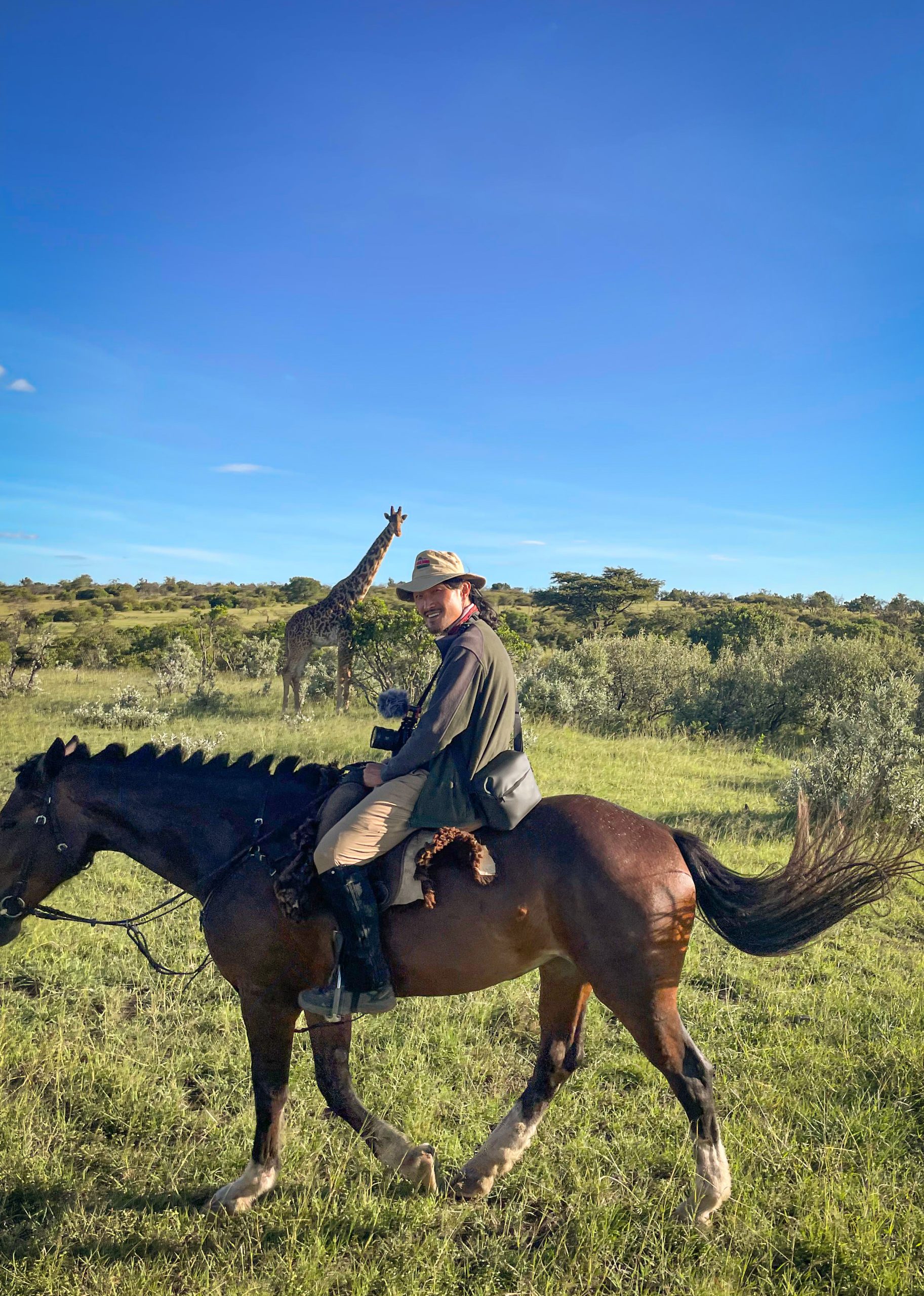
こんにちは。私の名前はシンで、大韓民国(韓国)出身です。私は15年前、日本の立命館アジア太平洋大学で勉強しました。卒業後は、韓国・ドイツ・ヨルダンで働き、現在はアフリカの美しい国ケニアに住んでいます。ケニアは野生動物と自然で有名ですが、近年とても早いスピードで変化しています。今日は、野生動物と人間のあいだに起きている「衝突(コンフリクト)」についてお話ししたいと思います。
Shin (Korea)
Hello, my name is Shin and I am from the Republic of Korea (South Korea). I studied in Japan at the Ritsumeikan Asia Pacific University 15 years ago. After graduation, I worked in South Korea, Germany and Jordan. Now I live in Kenya, a beautiful country in Africa, famous for its wildlife and nature. However, Kenya is changing fast. Today, I would like to talk about conflict between wild animals and humans.
What is Human and Wildlife Conflict?
Kenya is a country in Eastern Africa. It is famous for its many wild animals, such as elephants, lions, giraffes, and zebras. These animals live in nature like grasslands (savanah) and forests. Many people in Kenya also live near these areas. Sometimes, people and wild animals have problems living together and they fight each other. This is calledhuman and wildlife conflict.
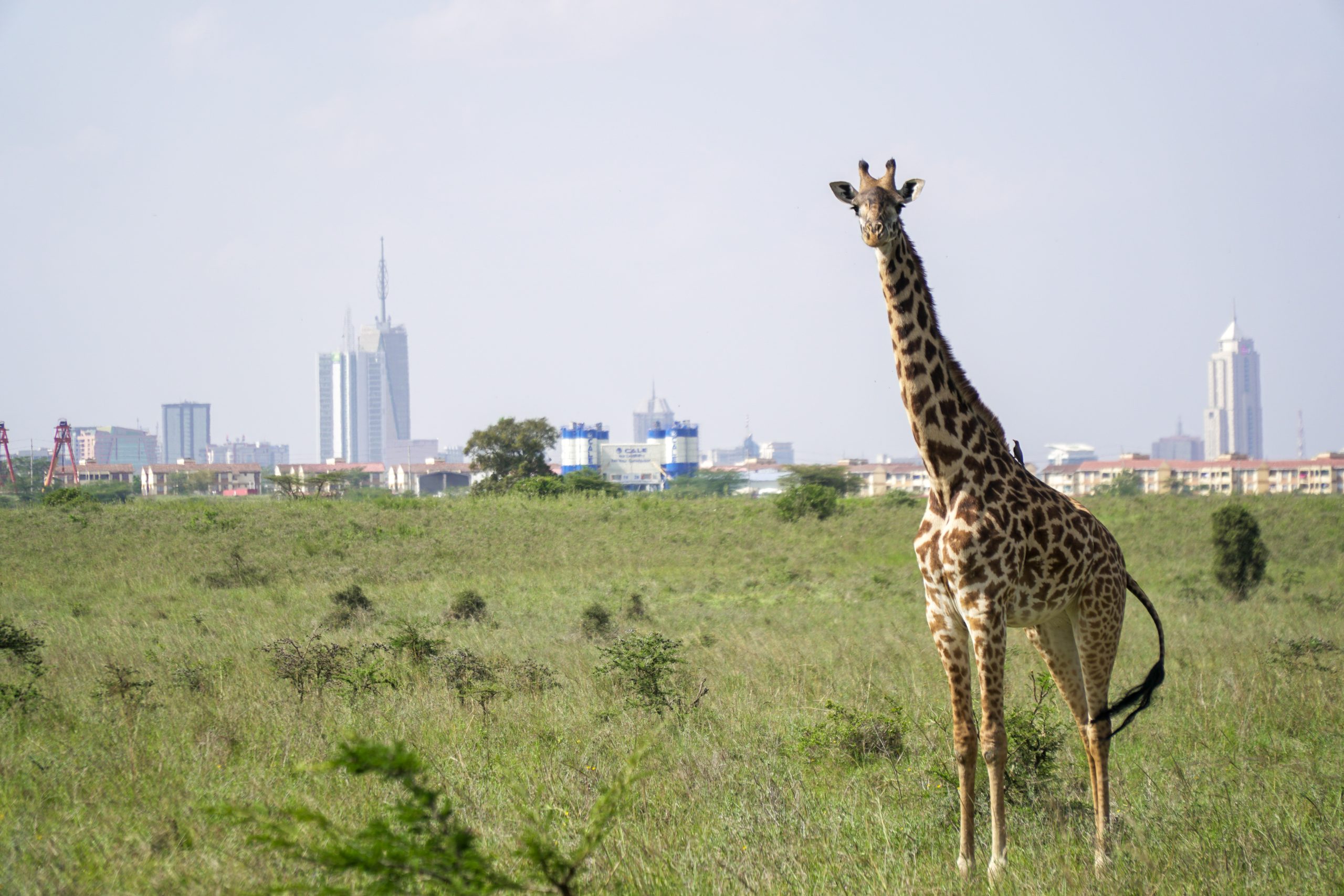
Human and wildlife conflict happens when people and animals use the same land for resources. In Kenya, many people are farmers and herders. They grow crops like maize and rice, and they keep animals such as cows and goats. Wild animals move around to find food and water. When animals enter farms or villages, trouble can happen.
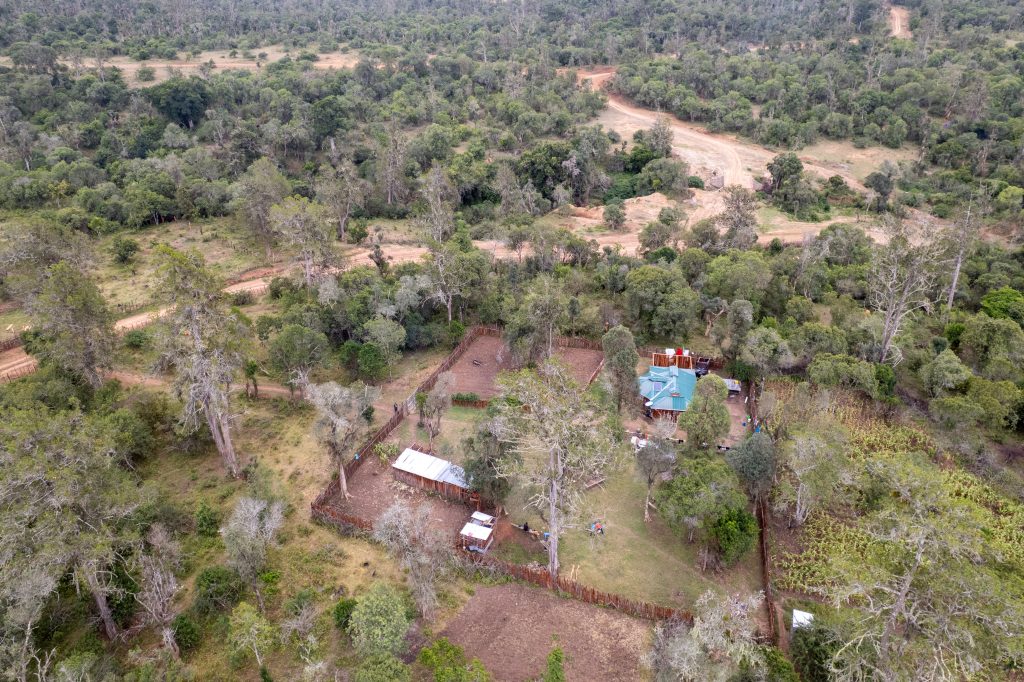
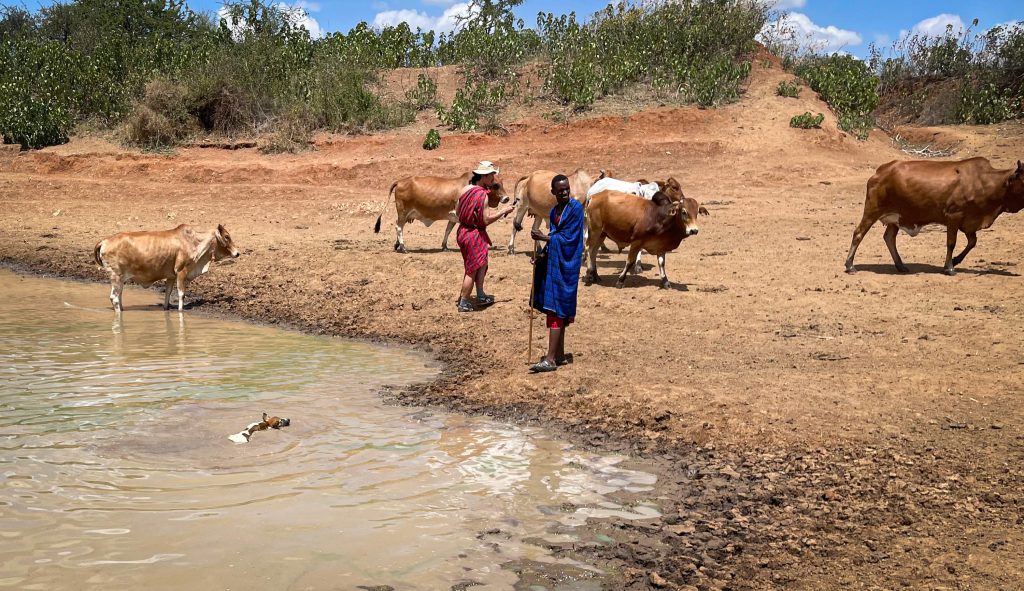
For example, elephants sometimes walk into farms and eat crops. They are very big and eat a lot, so they can eat crops and vegetables that farmers grew for months in one night. Lions and hyenas may attack cows or goats. This is very sad and difficult for farmers and herders because their crops and animals are important for food and money.
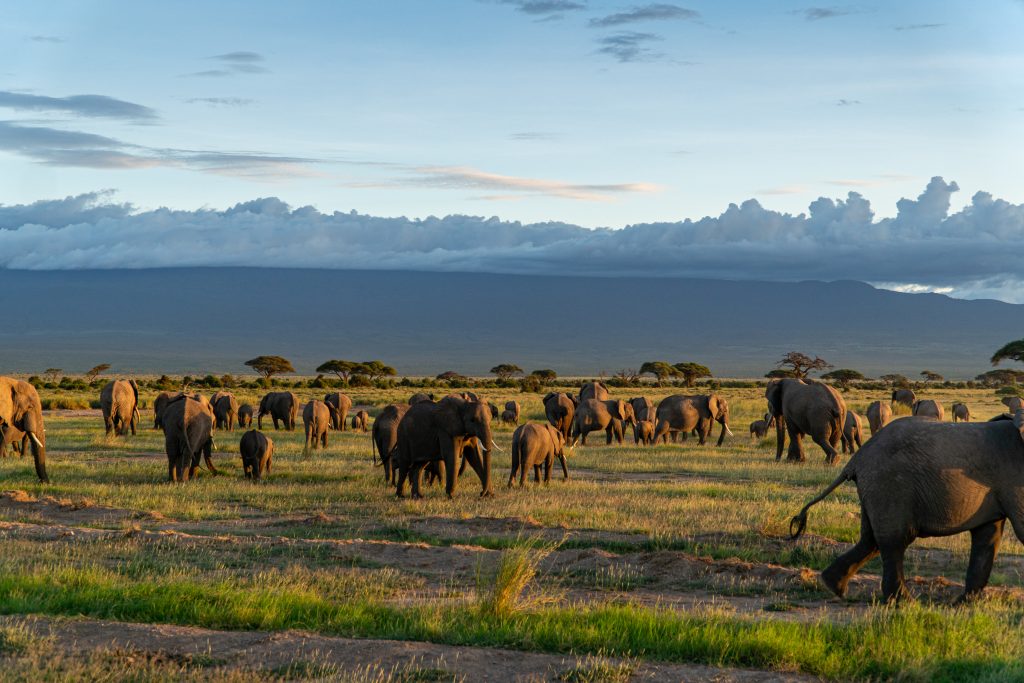
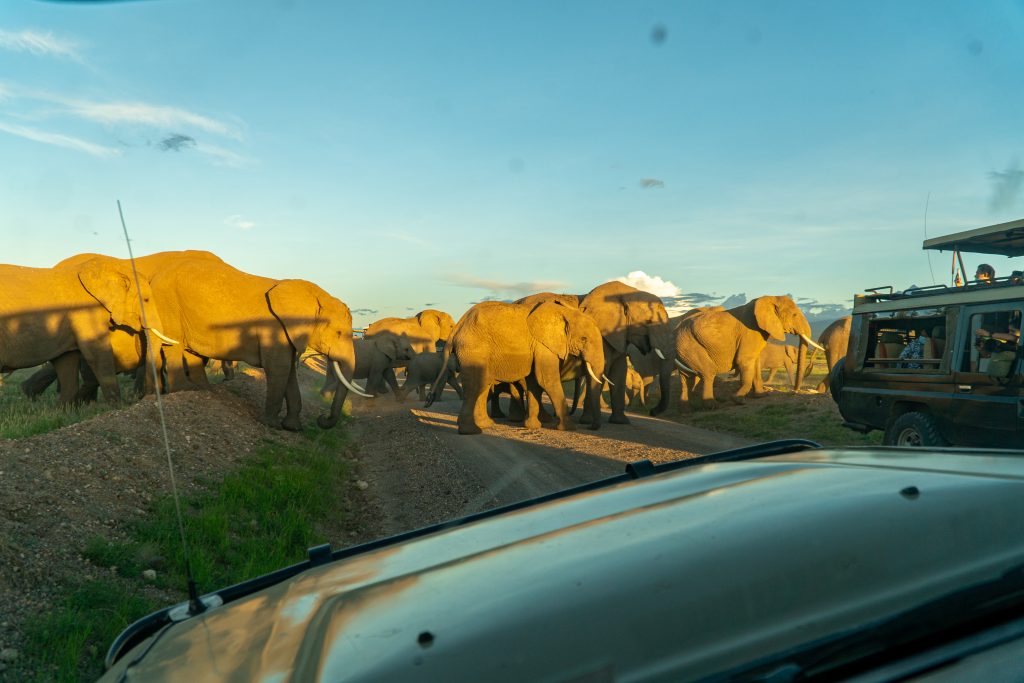
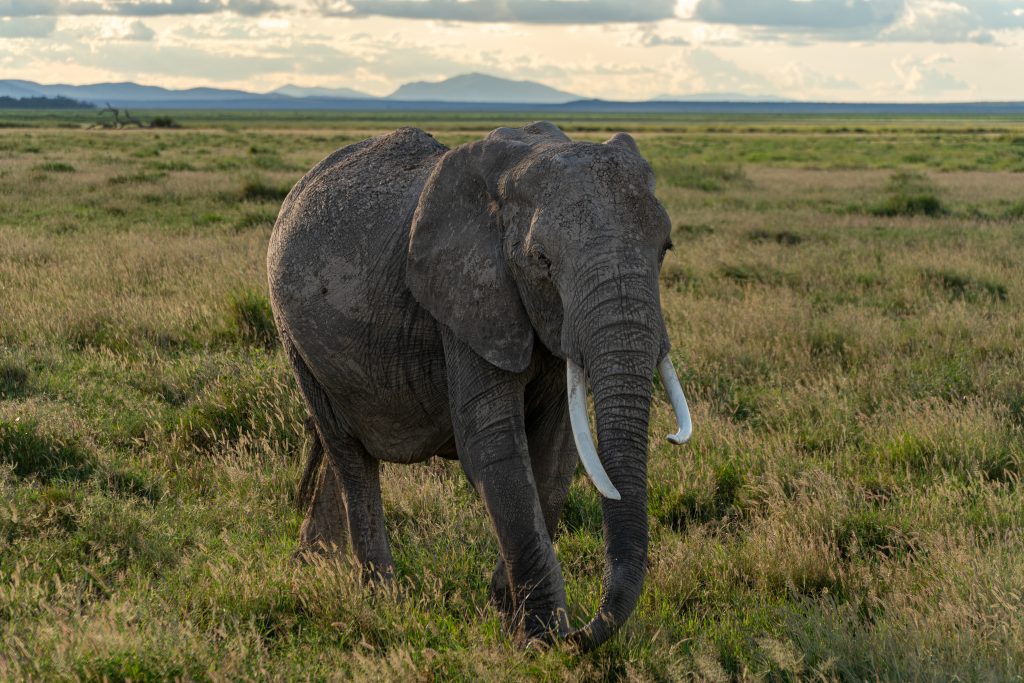
Elephants can move together in hundreds sometimes.
When they enter villages, conflicts occur.
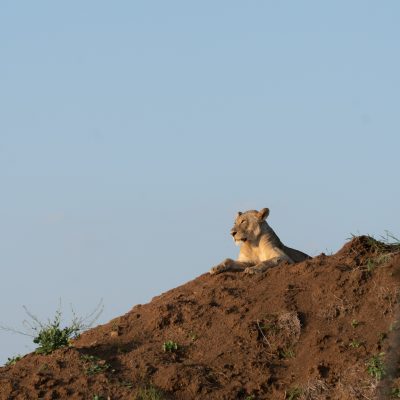
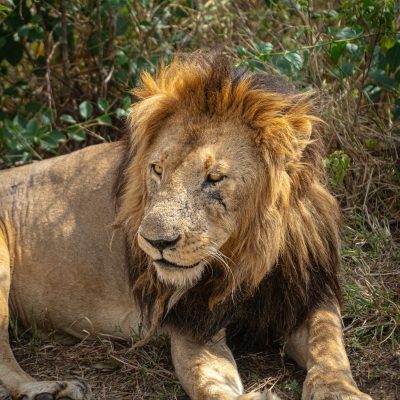
Lions can also kill cows and goats in villages
The causes of human and wildlife conflict
These conflicts can be dangerous. People can get hurt when they try to chase animals away. Animals can also be hurt or killed because people may use weapons. It is heartbreaking to see because some animals in Kenya are endangered and need protection. The saddest part is that it is becoming more and more common. I can read about human and wildlife conflict in newspapers quite often.
One reason this problem is growing is because there are more people. More land is used for houses and farms, so animals have less space to live.
Another reason is climate change. When there is little rain, animals cannot find enough food and water, so they go closer to human homes where they can find them.
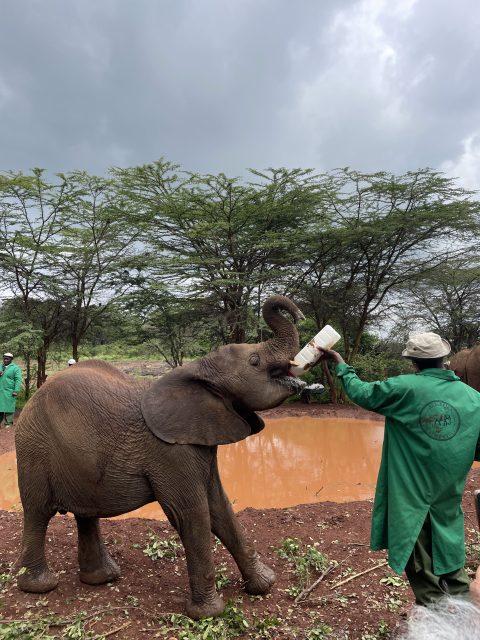
I have visited an elephant orphanage in Nairobi and it is saddening to see baby elephants who lost their families because of human and wildlife conflicts. The experience made me think about what we can do to address this problem.
How can we solve this problem?
People in Kenya are trying to solve this problem. Some farmers use fences or lights to keep animals away. Others use beehives, because elephants are scared of bees. The government and conservation groups also help people learn how to live safely with wildlife. Tourism helps too, because people can earn money by protecting animals and their habitat.
Human and wildlife conflict doesn’t only happen in Kenya. You may have heard about bear attacks in Japan. It can happen anywhere in a place where animals and people live near each other. Human and wildlife conflict is not easy to solve, but it can be reduced. If people understand animals and protect nature, humans and wildlife can live together more peacefully.
この記事のまとめ
ケニアでは人と動物が同じ土地や資源を必要とするため、象が畑を荒らしたり、ライオンが家畜を襲ったりする問題が起きます。人口増加や気候変動で動物の生息地が小さくなり、さらに雨が少ないと食べ物や水を求めて村に近づくようになります。その結果、人も動物もけがをしたり命を落とすことがあります。特に絶滅の危機にある動物が傷つくのは非常に悲しいことです。
この問題を減らすため、ケニアではフェンスやライト、ミツバチを使って動物を遠ざける工夫をしたり、政府や保護団体が共存の方法を教えています。観光によって、人々が動物を守ることで収入を得られる仕組みもあります。
人間と野生動物の衝突は、クマの問題がある日本のように、世界のどこでも起こり得ます。自然を守り、動物を理解することで、人と動物がより平和に共存できるとシンさんは伝えています。
New words List
Conflict:衝突(しょうとつ)/対立(たいりつ)
Herders:牧畜民(ぼくちくみん)/家畜を育てる人
Maize:トウモロコシ
Crops:作物(さくもつ)/農作物Chase追い払う/追いかけるWeapons:武器(ぶき)
Endangered:絶滅危惧(ぜつめつきぐ)/絶滅危惧種Protection:保護(ほご)
Experience:経験(けいけん)
Address this problem:この問題に取り組む/対応する
Fences:フェンス/囲い
Beehives:ミツバチの巣箱
Scared:怖がる(こわがる)/おびえる
Government:政府(せいふ)
Conservation:保全(ほぜん)/自然保護
Habitat:生息地(せいそくち)
この記事の感想を、ぜひ教えてね!


この記事が気に入ったら、ハートのボタンを押してね!
バックナンバー

Wonder the World Vol.10: “Memories of rich and flavorful foods from Bangladesh”(バングラデシュの豊かな味わい深い食べ物の思い出)
アビッド (バングラデシュ出身)2022 年から公文グローバル ネットワーク チーム主催の英語イマージョン活動でグループ リーダーを務めている。大分県別府市の立命館アジア太平洋大学(APU...

Wonder the World Vol.15: “Discover Hidden Gems through Hiking”(ハイキング~の魅力)
オドノ (モンゴル出身)2022年より公文のイングリッシュイマージョン活動にグループリーダーとして活躍中。現在、アジア太平洋大学日本校の4回生。 こんにちは、私の名前はオドノです。モンゴル...
Wonder the World Vol.5: “How to help stray animals around the world” (動物愛護について考えてみよう。)
ヤン(マレーシア出身)2008 年から多くの公文英語イマージョン アクティビティ (KEIA) に参加しています。立命館アジア太平洋大学を卒業後、マレーシアに帰国し、夢を叶えるために頑張っ...